Want to know how much fluid you need to get into your body and when water is not enough?
Thirst is not a good indicator of hydration status: we need to drink before we feel thirsty. The colour of the urine can be helpful. Look when? On the other hand, drinking too much water is discouraged. Do you ever have to stop exercising to go to the toilet?
To find out if you are hydrated enough, we offer bioimpedance hydration measurement. Among other things, you will find out your total body water volume and body water percentage. Adequate hydration keeps us vital, healthy and well.
A water loss of 2% of body weight reduces exercise capacity by up to 20%, and a 5% loss can reduce physical performance by up to 30%! We’ll tell you when and what to drink, when water is not enough and when you need an isotonic drink.
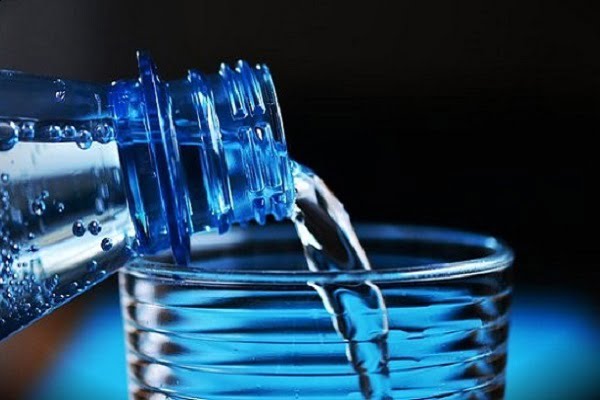
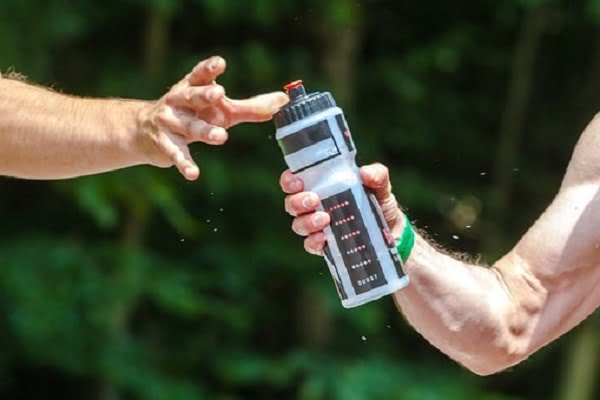
Before exercise:
- Adequate hydration is recommended before starting exercise,
- enough time must have elapsed since the last activity: sometimes 12 hours, but sometimes 24 to 48 hours, depending on the intensity and duration of the exercise, until you are fully hydrated,
- 300-450 ml of water should be consumed two to four hours before exercise; some sodium (150-300 mg) can also be consumed, either in liquid or dietary form; sodium stimulates thirst and keeps more of the water you drink in your body,
- up to 200 ml before the workout itself,
- Drinking too much water is not recommended as the body can only absorb a certain amount and frequent visits to the toilet can interfere with training.
During training:
- water loss needs to be replaced (you can weigh yourself before and after exercise to see how many “litres” you have lost through sweating),
- for exercise that is not too intense and does not exceed one hour, drinking water is usually enough; but there is nothing wrong with adding potassium and sodium to the fluid to replace the electrolytes lost during sweating,
- For activities longer than an hour or for very intense exercise, it is advisable to add simple carbohydrates (30 to 60 g per hour) in addition to electrolytes (sodium, potassium, calcium, magnesium, bicarbonate, chloride, phosphate, sulphate).
What to snack on before or during training? RECIPE for quick and easy balls when you need a quick source of energy.
After the exercise:
- depending on the length and intensity of the exercise,
- depending on the next training session,
- it may take 24 to 48 hours for the body to regain electrolyte balance,
- The aim is to fully replenish lost electrolytes after exercise by consuming fluids and food,
- A 50% higher fluid intake than that consumed during exercise will speed up recovery from dehydration,
- it is preferable to drink less, because water retention is more effective;
In cases of extreme exertion and dehydration, recovery can take 24 to 48 hours – during this time, frequent water drinking is recommended.
In 1 litre of sweat, we lose:
| electrolytes | average in 1 litre of sweat | food comparison |
| sodium | 800 mg | 1 litre of isotonic drink = approx. 500 mg |
| potassium | 200 mg | 1 banana = 450 mg |
| calcium | 20 mg | 1 yoghurt = 300 mg |
| magnesium | 10 mg | 2 tbsp peanut butter = 50 mg |
How to make your own sports drink (approx. 1 litre):
- 50 g sugar,
- 1-2 g salt,
- 0,5 dl hot water,
- 0,5 dl orange juice,
- 2 tablespoons lemon juice,
- 8,5 dl cold water.